Category: smart-living

  • Smart Grocery Shopping: Save $300/Month Without Sacrificing Quality

    Smart Grocery Shopping: Save $300/Month Without Sacrificing Quality

    The Average Family Wastes $1,500 Per Year on Groceries

    According to the USDA, Americans waste approximately 30–40% of the food supply. For the average family of four, that’s $1,500–$2,000 in groceries bought but never eaten.

    The grocery store is also a masterclass in behavioral economics — specifically, how to get you to spend more than you planned. Understanding these tactics, combined with a systematic approach, will transform your food spending.

    This isn’t about couponing. It’s about smart systems.

    The Foundation: The Strategic Shopping List

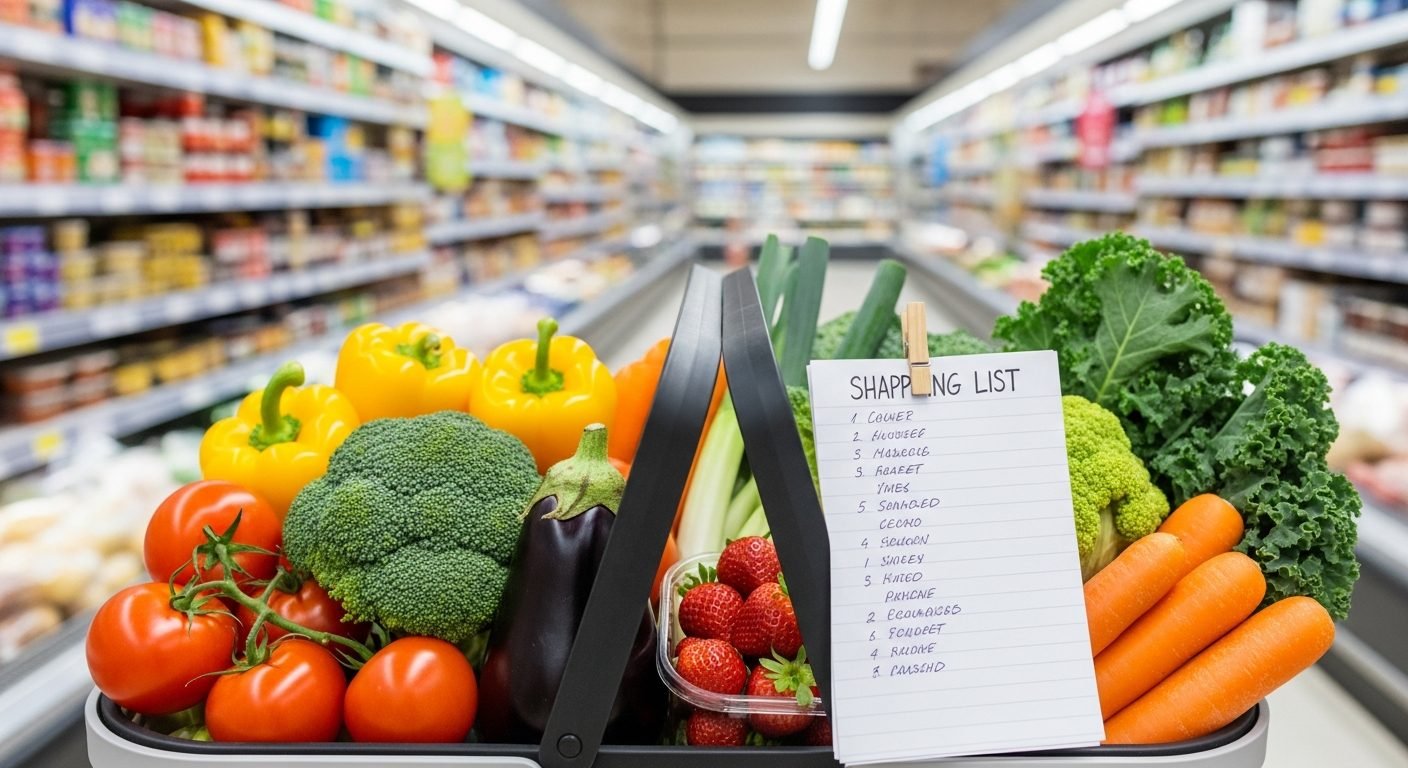
    Shop With a Meal Plan

    Never enter a grocery store without knowing exactly what you’re cooking this week. A 15-minute weekly meal planning session creates your precise shopping list, eliminates impulse purchases, and prevents the “what’s for dinner?” crisis that leads to expensive takeout.

    The framework:

    • Plan 5 dinners (2 nights for leftovers, 2 for flexibility)
    • Plan breakfasts and lunches (often the same things repeated)
    • Generate your shopping list from this plan
    • Add household staples to deplete

    Shop Your Pantry First

    Before writing your list, audit your pantry, fridge, and freezer. You likely have more usable food than you think. Build meals around items you already have.

    This single habit prevents the most common form of food waste: buying more of something you already have.

    Understanding Grocery Store Tactics

    The Perimeter vs. The Interior

    The healthiest (and often cheapest per nutrient) foods are on the store’s perimeter: fresh produce, meat, dairy, eggs. The interior aisles contain the highly processed, heavily marketed, expensive-per-calorie foods.

    Shop the perimeter first. Enter the interior with a specific list.

    Unit Price Is Everything

    The price tag isn’t the price. The unit price is. Many stores display unit prices (price per ounce, per count, per pound) on the shelf label. Always compare unit prices, not package prices.

    The larger size is usually cheaper per unit — but not always. Store brands versus name brands are often manufactured by the same company.

    Loss Leaders Are Your Friends

    Grocery stores advertise deeply discounted “loss leaders” — items sold at or below cost to get you in the store. They make their money on everything else you buy while there.

    Strategy: Only buy the loss leaders. Get in, get the deal, get out. Don’t let the loss leader become an excuse to buy a full cart of unplanned items.

    The Strategic Shopping System

    1. Pick One Primary Store, Know It Well

    Learn your store’s layout cold. Regulars who know where everything is spend less time in the store, experience less decision fatigue, and make fewer impulse purchases.

    2. Shop Once Per Week

    Frequent store visits dramatically increase spending. Each trip adds $30–50 in unplanned purchases on average. One strategic weekly shop — with a complete list — minimizes this.

    3. Never Shop Hungry

    Studies show hungry shoppers spend 30% more and make more unhealthy choices. Eat before shopping. This is non-negotiable.

    4. Use Store Apps for Digital Coupons

    Virtually every major chain has a loyalty app with digital coupons that don’t require clipping. Clip these before every shopping trip. Takes 3 minutes. Can save $10–20 per trip.

    5. Buy Produce in Season

    Seasonal produce is dramatically cheaper, tastes better, and is more nutritious than out-of-season produce flown from across the world. Learn what’s in season each month.

    General guide:

    • Spring: Asparagus, peas, artichokes, strawberries
    • Summer: Tomatoes, corn, peaches, zucchini, berries
    • Fall: Apples, pumpkins, butternut squash, pears
    • Winter: Citrus, root vegetables, hearty greens

    6. Embrace Frozen Produce

    Frozen vegetables and fruits are harvested at peak ripeness and flash-frozen — preserving nutrients better than “fresh” produce that’s been in transit for weeks. They’re also significantly cheaper. Keep a well-stocked freezer of frozen vegetables for easy, economical cooking.

    7. Master the “Whole Animal” Principle for Protein

    Chicken thighs cost 40–60% less than chicken breasts and are arguably more flavorful. Bone-in cuts cost less than boneless. Whole chickens cost less per pound than parts.

    The cheapest quality protein sources: eggs, canned fish, dried beans and lentils, whole chickens, pork shoulder, and chicken thighs. Learn to cook these well.

    8. Store Brands vs. Name Brands

    For most staple categories, store-brand products are manufactured to the same standard as name brands (sometimes literally the same product in different packaging). Categories where store brands shine: canned goods, dried pasta, frozen vegetables, olive oil, spices, cleaning products, and over-the-counter medications.

    Categories where quality differences might justify name brands: fresh meat, specialty items, and products where you have brand-specific preferences.

    Reducing Food Waste: The Other Half of the Equation

    FIFO: First In, First Out

    When you unpack groceries, move older items to the front and put new purchases behind them. You’ll naturally use older items first and dramatically reduce food waste.

    The Fridge Clear-Out Night

    Designate one night per week (Friday works well) as “use what’s in the fridge” night. Improvise a meal from whatever needs to be used. This builds cooking creativity and prevents waste.

    Freeze Before Waste

    Before food spoils, freeze it. Bread, meat, cooked grains, blanched vegetables, and many other items freeze well. The freezer is your waste-prevention tool.

    The Psychology of Smart Shopping

    Understanding why you overspend is as important as the tactical systems above. Grocery stores employ professional environmental psychologists. Here’s what they’re doing and how to counter it:

    The slow cart effect: Wide aisles and large carts encourage slower movement and larger purchases. Move with purpose and resist the gravitational pull of displays at the end of each aisle — these “endcap” displays are premium positions paid for by manufacturers, not curated for your benefit.

    The eye-level trap: The most profitable (highest-margin) products are placed at eye level. The best value is almost always on the top or bottom shelves. Train yourself to look up and down before accepting what’s directly in front of you.

    Ambient music manipulation: Slower music has been shown to increase time spent in stores and spending by up to 38%. Be aware of time passing and keep a running mental clock during your shopping trip.

    The scarcity trigger: “Limited time,” “while supplies last,” and “sale ends Sunday” all trigger fear of missing out. Genuine sales exist, but artificial urgency is a manipulation tactic. If you weren’t planning to buy it before seeing the sign, don’t buy it now.

    Building a Permanent Shopping System

    The real breakthrough comes when these strategies stop requiring effort and become your automatic operating procedure. The goal is a repeatable weekly system:

    • Sunday: 15 minutes of meal planning → shopping list generation
    • Sunday or Monday: One focused shopping trip with your complete list
    • Friday: Fridge clear-out night to eliminate waste before the next shopping cycle

    When this system runs on autopilot, you’ll spend less, waste less, and eat better simultaneously — not through heroic effort, but through better design.

    Your Monthly Savings Roadmap

    Implementing these strategies consistently can realistically save:

    • Meal planning + pantry audit: $80–100/month
    • Store brand switching: $40–60/month
    • Digital coupons: $30–50/month
    • Reduced food waste: $50–80/month
    • Strategic protein choices: $40–60/month

    Total potential savings: $240–350/month

    This isn’t about sacrifice. Eating smart, cooking seasonally, and wasting less food is objectively better for your health, your wallet, and the planet.

    Start with one strategy this week. Build from there.
  • 10 Smart Home Upgrades That Pay for Themselves (And Actually Improve Your Life)

    10 Smart Home Upgrades That Pay for Themselves (And Actually Improve Your Life)

    The Problem With Most Smart Home Advice

    Most smart home guides are written by tech enthusiasts who want the coolest gadgets, not by people who want their home to actually work better.

    The result? Advice filled with $400 robot vacuums, $200 smart fridges, and elaborate voice-command setups that require an hour of troubleshooting every time they break.

    This guide is different. Every upgrade here meets two criteria:

    1. It genuinely improves your daily life (less time, less stress, or better quality)
    2. It pays for itself — either in energy savings, time savings, or both — within a reasonable timeframe

    Here are 10 smart home upgrades that are actually worth it.

    1. Smart Thermostat

    Best pick: Ecobee or Google Nest
    Cost: $150–$250
    Annual savings: $140–$200 on energy bills
    Payback period: 9–18 months

    A smart thermostat is the single highest-ROI smart home upgrade available. Period.

    Traditional thermostats heat and cool your home on a fixed schedule regardless of whether you’re there. Smart thermostats learn your schedule, use geofencing to detect when you’ve left, and intelligently adjust temperatures to minimize waste without sacrificing comfort.

    The Ecobee also includes a room sensor — solving the common problem of the thermostat being in a different room than where you spend most of your time.

    Real-world impact: Average household saves 23% on heating and cooling costs annually. For a $200/month energy bill, that’s $46/month back.

    2. Smart Power Strips and Plugs

    Best pick: Kasa Smart Plug, TP-Link Smart Strip
    Cost: $15–$50
    Annual savings: $50–$200 on standby power
    Payback period: 1–6 months

    “Vampire power” — electricity consumed by devices in standby mode — accounts for 5–10% of the average home’s energy use. TVs, game consoles, coffee makers, phone chargers, and entertainment systems all draw power even when “off.”

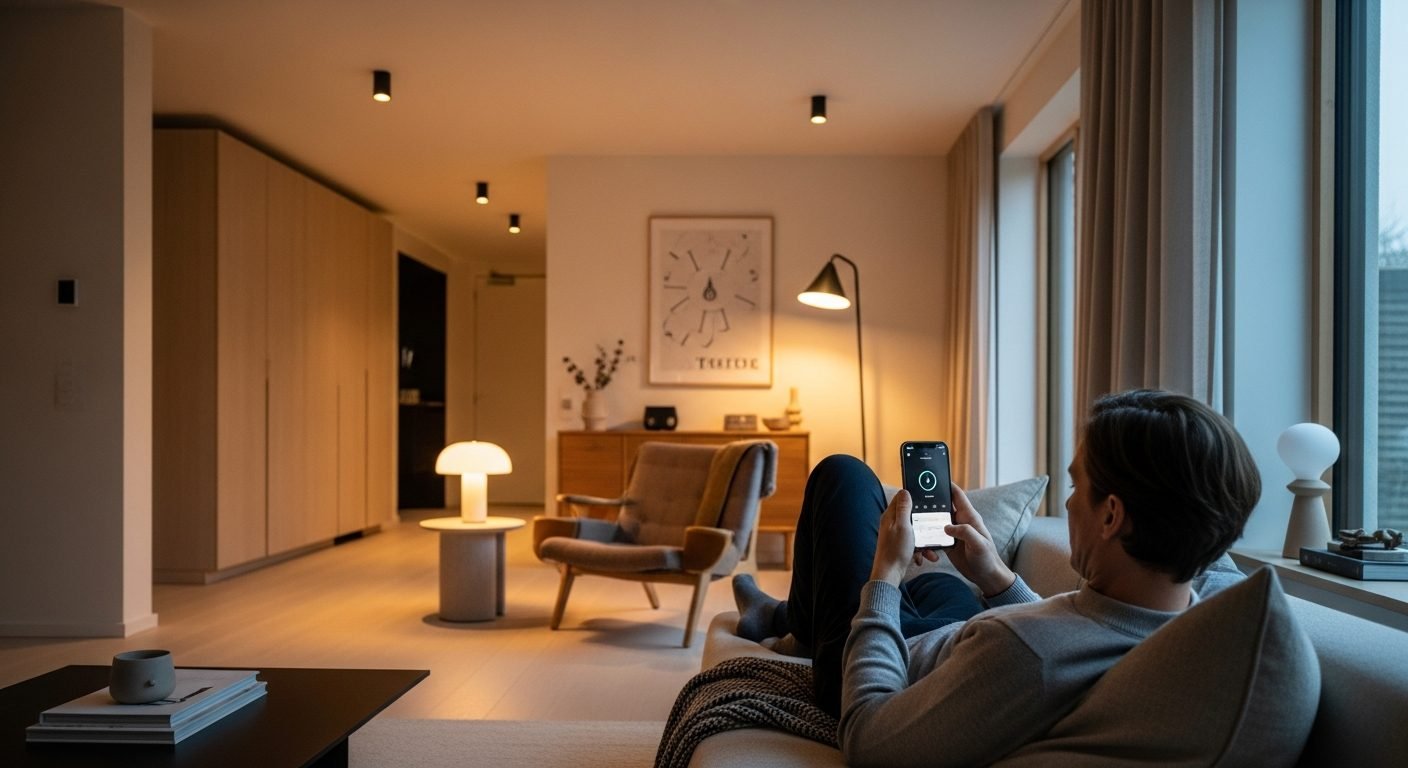
    Smart plugs let you cut power completely on a schedule or via your phone. Set your entertainment center to turn off at midnight. Schedule your coffee maker to start at 6:45 AM. Cut power to phone chargers after 2 hours.

    The fastest payback of any item on this list.

    3. Smart LED Lighting System

    Best pick: Philips Hue starter kit or LIFX
    Cost: $80–$200 for a starter kit
    Annual savings: $80–$150 on electricity + quality of life gains
    Payback period: 12–24 months

    Smart LED bulbs use 75% less energy than incandescent bulbs and last 15–25x longer. But the real value is the life quality improvement.

    What you actually get:

    • Wake up to gradually brightening lights that sync with your alarm (the most pleasant way to wake up)
    • Evening amber lighting that doesn’t suppress melatonin (better sleep)
    • Instant “movie mode” scene with one tap
    • Motion-activated lights that turn off automatically (no more lights left on all day)
    • Geofencing that turns everything off when you leave

    The circadian lighting alone — bright cool white during the day, warm amber in the evening — measurably improves sleep quality and daytime energy. Hard to put a dollar figure on that.

    4. Smart Door Lock

    Best pick: Schlage Encode, August Smart Lock
    Cost: $150–$250
    Payback period: Immediate quality-of-life return

    Smart locks don’t save energy — they save frustration and provide genuine security and convenience improvements.

    Daily quality-of-life gains:

    • Never locked out again (unlock via phone)
    • Give temporary access codes to cleaners, dog walkers, or guests (codes expire automatically)
    • Auto-lock after a set time if you forget
    • Get notifications when kids arrive home from school
    • No more fumbling for keys with arms full of groceries

    For families, the access code feature alone is worth the price — no more hiding spare keys under the doormat.

    5. Robot Vacuum

    Best pick: Roborock S7+, Eufy RoboVac
    Cost: $200–$600
    Time saved: 2–3 hours per week
    Payback period: Priceless if you value your time

    This isn’t about the $20–$40 in energy savings. It’s about the 2–3 hours per week most households spend vacuuming — time you’ll never get back.

    Schedule your robot vacuum to run daily at 10 AM while you’re at work. Come home to clean floors every single day. For families with pets or kids, this is transformative.

    What to look for:

    • Mapping capability (avoids random bumping, cleans systematically)
    • Auto-empty base (worth the premium — you only empty the base every 30–60 days)
    • Strong suction for carpet (especially with pets)

    The Roborock S7+ with auto-empty base is the sweet spot of price-to-performance.

    6. Smart Video Doorbell

    Best pick: Ring Video Doorbell Pro, Google Nest Doorbell
    Cost: $100–$250
    Payback period: One prevented package theft pays for it

    Package theft is at epidemic levels. In 2024, over 119 million packages were stolen in the US. A video doorbell deters theft and provides footage for police reports and insurance claims.

    But beyond security, the quality-of-life improvements are significant:

    • Answer your door from anywhere in the world
    • Tell delivery drivers exactly where to leave packages
    • Never interrupt a meeting, shower, or nap for an Amazon delivery
    • See who’s at the door before opening it
    • Motion-activated alerts for any activity on your porch

    The camera footage also provides peace of mind when you travel — glance at your front door anytime from your phone.

    7. Smart Water Leak Detector

    Best pick: Flo by Moen, Govee Water Sensor
    Cost: $15–$500 (basic sensor to whole-home system)
    Payback period: One prevented flood pays for decades of sensors

    A single water damage insurance claim averages $11,098. A burst pipe while you’re on vacation can cost $50,000+.

    Basic water leak sensors ($15–$30 each) placed under sinks, behind toilets, near water heaters, and behind washing machines alert your phone the moment moisture is detected. This is the highest-consequence lowest-cost smart home upgrade you can make.

    For the full solution, the Flo by Moen system monitors your entire water supply, detects slow leaks, and can automatically shut off the water supply if it detects a pipe burst — even while you’re away.

    Every homeowner should have at least basic leak sensors. No exceptions.

    8. Smart Smoke and CO Detectors

    Best pick: Google Nest Protect
    Cost: $120 per unit
    Payback period: Immediate safety return

    Traditional smoke detectors just beep — no information, no location, no smartphone alerts. The Nest Protect tells you exactly which room detected smoke, speaks aloud (“There’s smoke in the kitchen”), and sends a phone notification so you’re aware even if you’re in another part of the house or if it triggers while you’re away.

    The carbon monoxide detection is equally critical — CO is colorless, odorless, and kills approximately 400 Americans per year. A smart detector that alerts your phone before levels become dangerous is a genuinely life-changing upgrade for families.

    9. Smart Garage Door Opener

    Best pick: Chamberlain myQ
    Cost: $30–$100 (often installs on existing opener)
    Payback period: First time you forgot to close it

    Answer this honestly: how many times have you left home and wondered “Did I close the garage door?” How many times have you turned around to check?

    A smart garage door add-on gives you:

    • Real-time open/closed status from your phone
    • Automatic close after a set time
    • Close it remotely from anywhere in the world
    • Entry history so you know who came and went

    The myQ is one of the cheapest smart home upgrades that provides immediate relief from a daily anxiety. At $30–$60, it pays for itself the first time you close your garage from your office parking lot.

    10. Smart Air Quality Monitor

    Best pick: Airthings Wave Plus, Awair Element
    Cost: $80–$200
    Payback period: Immediate health return

    Indoor air quality is 2–5x worse than outdoor air in most homes, according to the EPA. Pollutants include VOCs (from furniture, paint, cleaning products), CO2 buildup, humidity extremes, and particulates.

    High CO2 levels — which build up in bedrooms overnight and in meeting rooms during the day — directly impair cognitive function. Many people report that poor air quality is the primary cause of their afternoon brain fog, not lack of sleep.

    A smart air quality monitor shows you in real time:

    • CO2 levels (high CO2 = brain fog)
    • VOC levels (from off-gassing furniture and products)
    • Humidity (optimal: 40–60% for health and comfort)
    • Particulates (PM2.5) from cooking, candles, and outdoor pollution

    Once you see your air quality data, you’ll know exactly when to open a window, run a fan, or avoid burning candles.

    How to Prioritize These Upgrades

    If you’re starting from zero, here’s the order of highest return on investment:

    1. Smart thermostat (energy savings start immediately)
    2. Water leak sensors (catastrophic loss prevention)
    3. Smart plugs (fastest payback, cheapest entry)
    4. Smoke/CO detectors (safety priority)
    5. Smart lighting (quality of life + energy)
    6. Robot vacuum (time recovery)
    7. Smart lock (convenience + security)
    8. Smart doorbell (package theft prevention)
    9. Garage door (peace of mind)
    10. Air quality monitor (health optimization)

    The Bottom Line

    Smart home technology has matured past gimmick status. The upgrades on this list are practical, reliable, and deliver measurable returns — in energy savings, time savings, security, and daily quality of life.

    You don’t need to do everything at once. Start with the smart thermostat and a pack of leak sensors. Let the energy savings fund your next upgrade. Within 18 months, you’ll have a home that works for you instead of against you.

    The best smart home isn’t the most automated one — it’s the one that makes your daily life noticeably better.